25
Jan 26In the South African context, where water resources are scarce and highly vulnerable, a thorough understanding of the interaction between surface water and groundwater is critical. Historically, Environmental Impact Assessments (EIAs) have relied on separate hydrogeological, wetland, soil, and hydrological studies conducted by individual specialist teams. While these assessments provide valuable insights, they often do not fully investigate the key drivers that sustain connectivity and interaction between these systems.
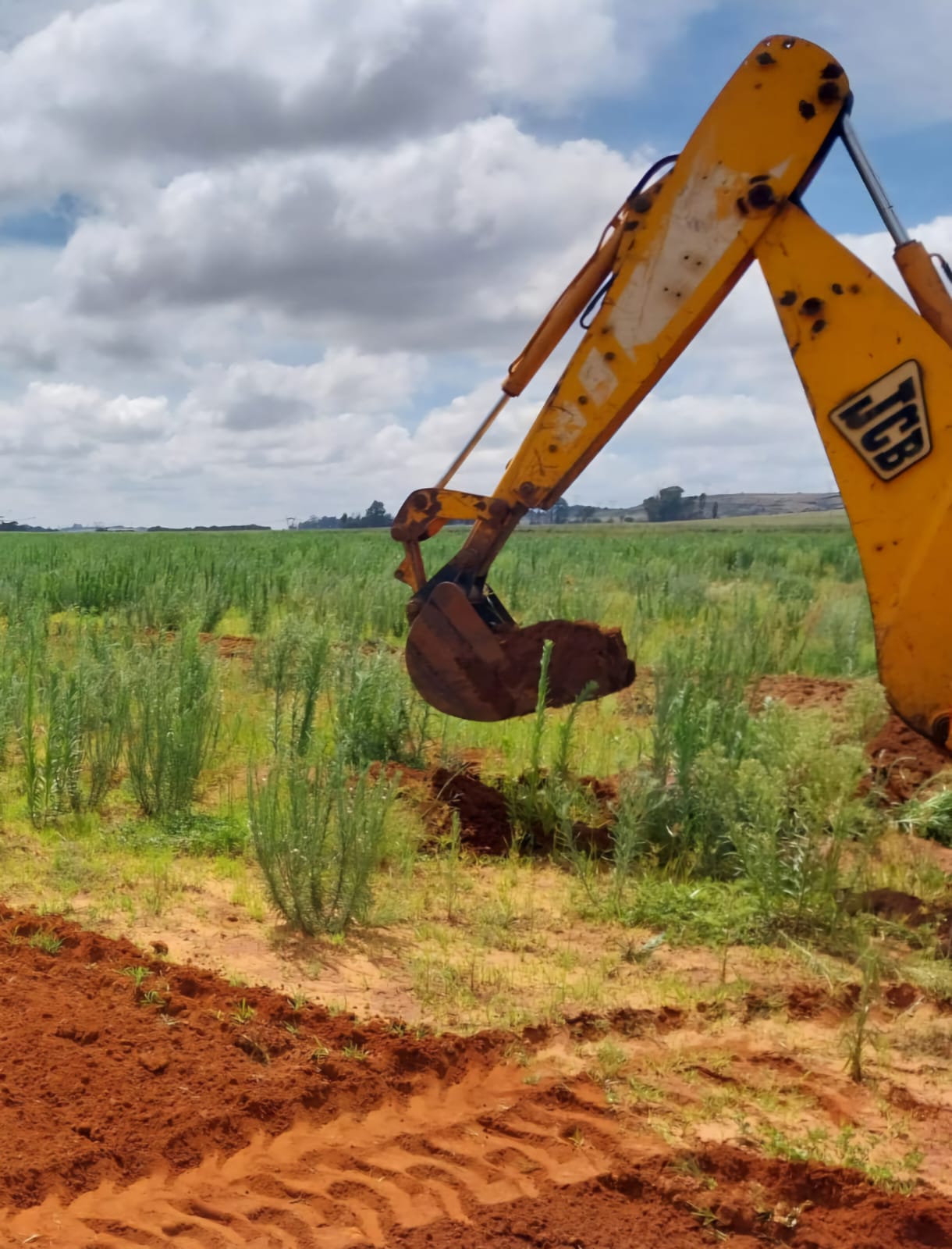
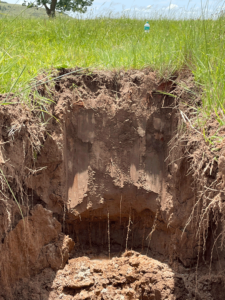
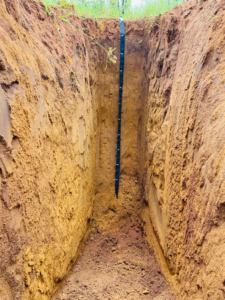
This is where hydropedology plays a critical role. Whereas hydrogeological studies primarily focus on the saturated zone below the groundwater table, hydropedology investigates the unsaturated zone and the soils that regulate water movement between the land surface and groundwater systems. By examining soil properties, soil-water dynamics, and landscape controls, hydropedology bridges the gap between hydrogeology, wetland science, soil science, and hydrology, providing an integrated understanding of surface–subsurface water interactions.
LWRC has partnered with soils and wetland (ecological) specialists to cater for the following industries:
Agriculture
Focuses on soil properties and soil–water interactions that influence crop productivity, irrigation efficiency, drainage, and long-term soil health.
Mining
Emphasises wetland systems and surface–groundwater connectivity, while still recognising the critical role of soils in controlling seepage, recharge, and contaminant pathways.
Infrastructure Development
Supports route selection and design by assessing soil moisture regimes, groundwater interaction, and potential impacts on wetlands and drainage systems.
Water Resource Management
Improves understanding of recharge processes, catchment hydrology, and the role of soils in regulating surface and subsurface water movement.
Environmental Impact Assessments (EIAs)
Provides an integrated framework that links soils, wetlands, hydrogeology, and hydrology, strengthening impact assessment, mitigation planning, and regulatory decision-making.
05
May 19Groundwater Supply & Borehole Services
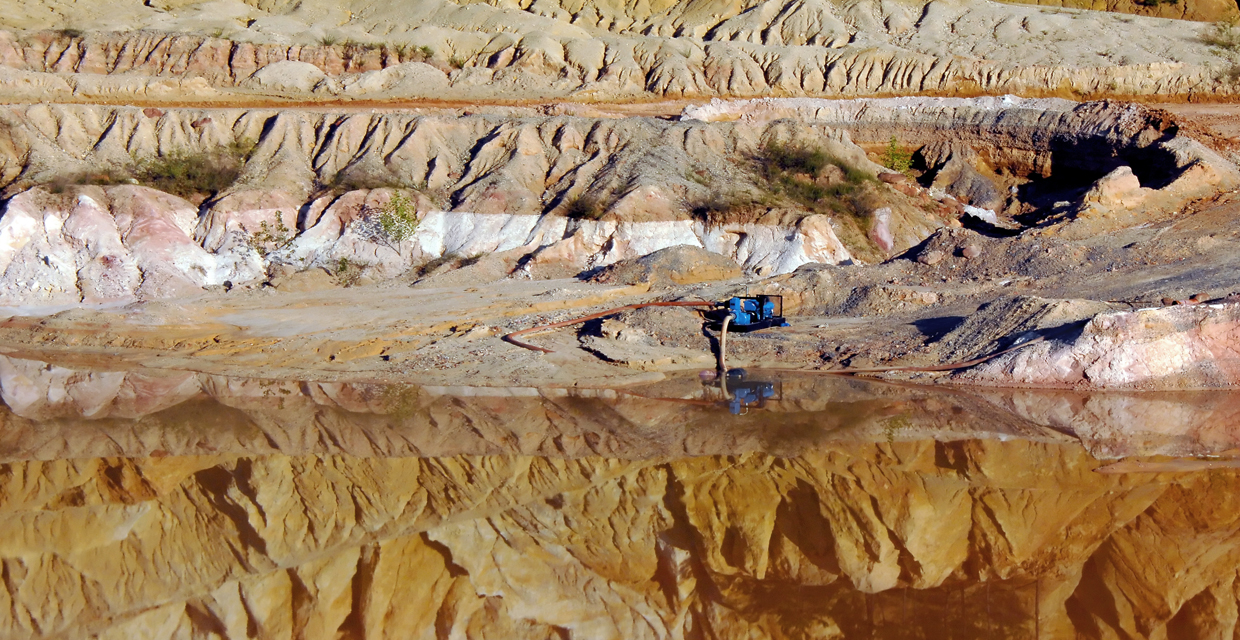
LWRC provides specialist groundwater supply investigations and integrated water supply solutions for mining, industrial, agricultural, commercial, and remote infrastructure projects across Southern Africa.
Our services include:
- Groundwater supply investigations and aquifer assessments
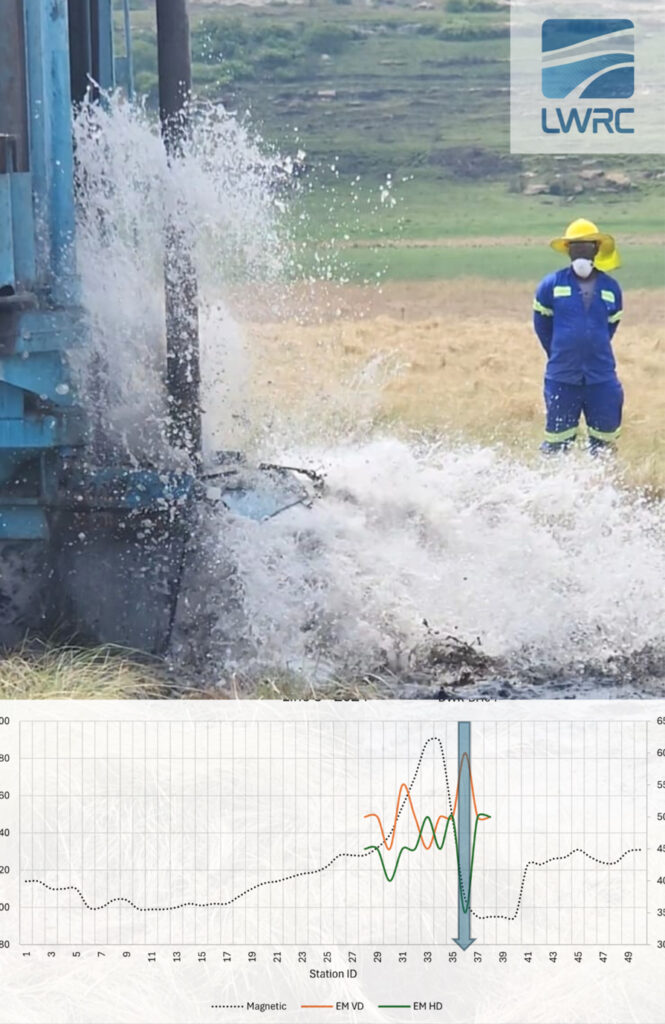
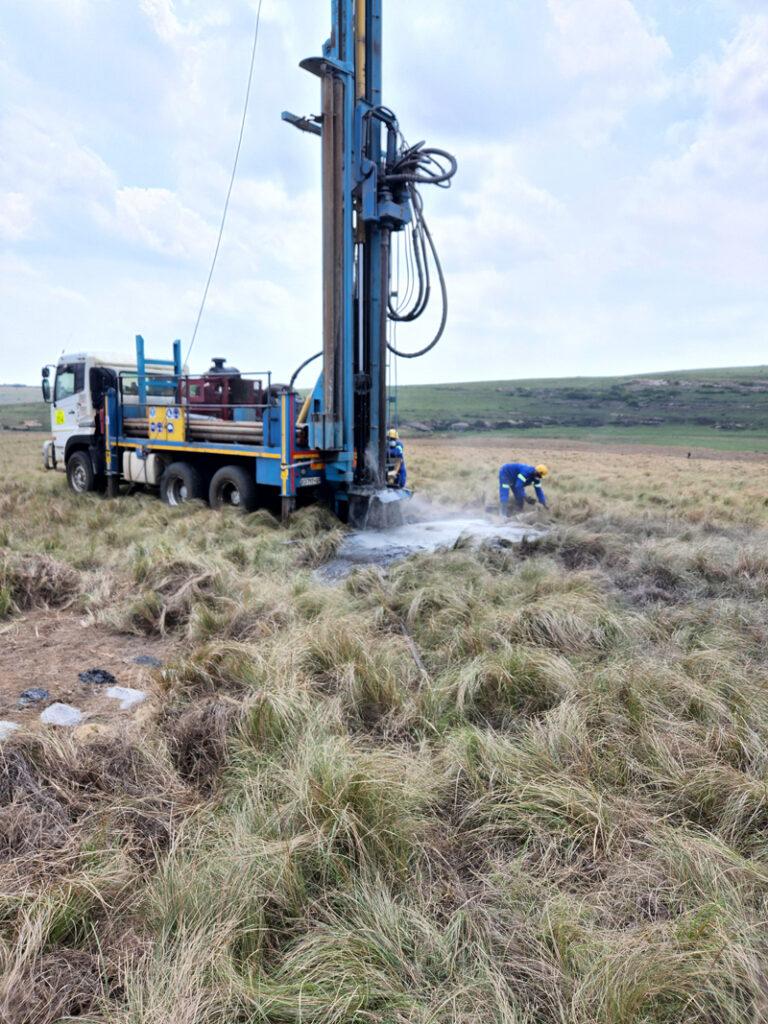
- Borehole siting and target identification
- Drilling supervision and contractor management
- Borehole testing, yield assessment, and sustainable abstraction evaluations
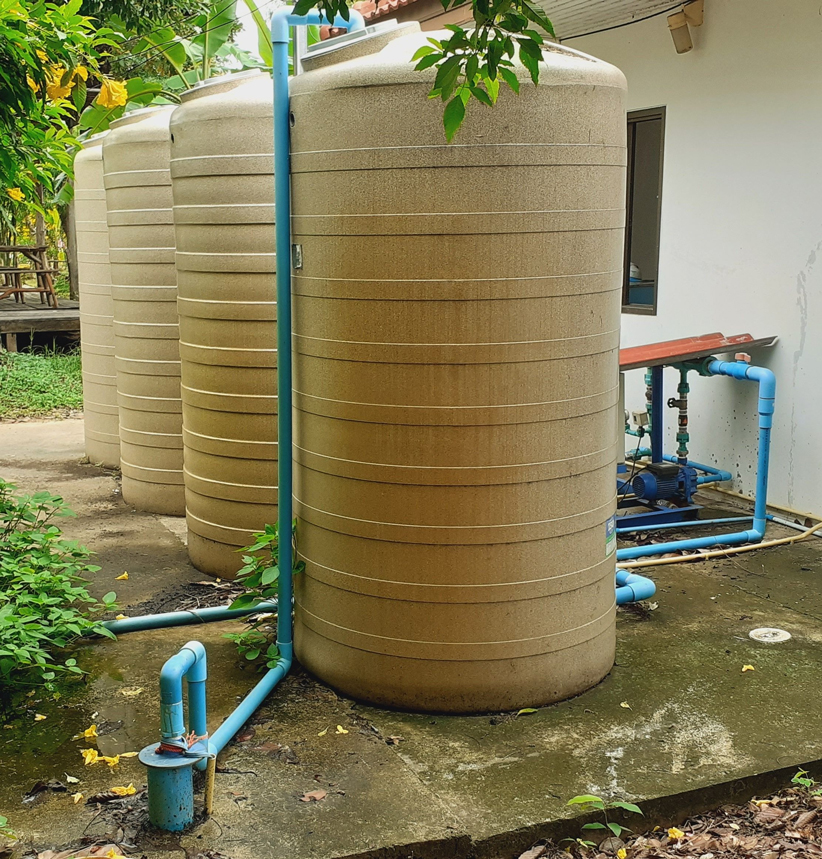
- Borehole equipping, pump selection, and infrastructure support
- Design and implementation of complete off-the-grid water supply solutions
- Groundwater quality assessment and suitability evaluations
- Monitoring, optimisation, and long-term groundwater supply management
LWRC combines practical field experience with hydrogeological expertise to develop reliable, sustainable, and fit-for-purpose groundwater supply solutions tailored to site-specific operational requirements.
05
May 19HYDROGEOLOGICAL ASSESSMENTS
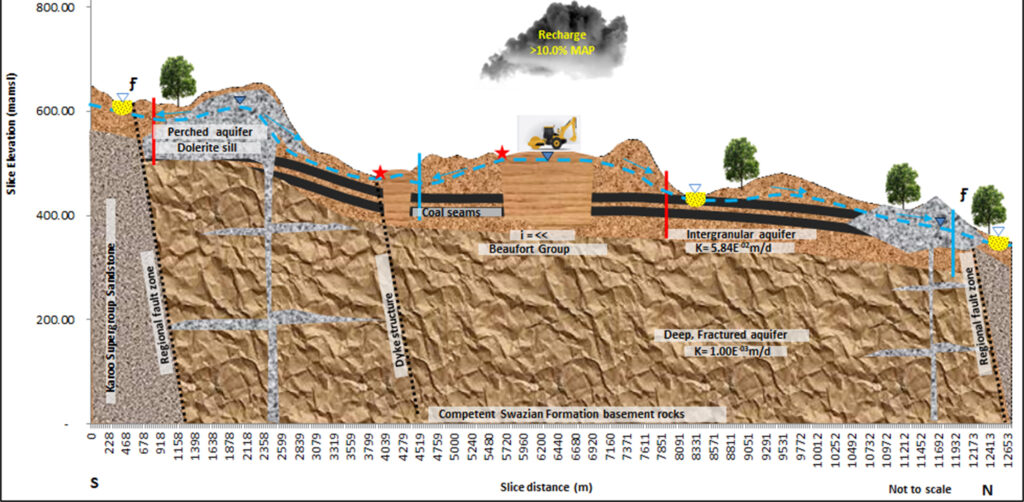
LWRC provides specialist hydrogeological investigations and groundwater advisory services in support of environmental approvals (EIA’s, WUL’s), ESG-aligned developments, mining operations, infrastructure projects, industrial activities, and water-resource management initiatives across Africa. Our assessments are undertaken in accordance with internationally recognised hydrogeological best practice principles, regulatory frameworks, and client-specific environmental and operational requirements. We follow a risk-based source–pathway–receptor approach to identify, assess, and manage potential groundwater-related impacts within the local and regional environment.
LWRC combines practical field investigations with advanced technical analyses to develop defensible hydrogeological conceptual models and support informed environmental, operational, and ESG-related decision-making. Our investigations are aligned with project programmes and regulatory timelines to assist clients in reducing approval risk and maintaining efficient project delivery.
Depending on project scope and site-specific requirements, our hydrogeological services may include:
- Hydrocensus and borehole surveys
- Geophysical investigations (electrical resistivity, electromagnetic and magnetic surveys)
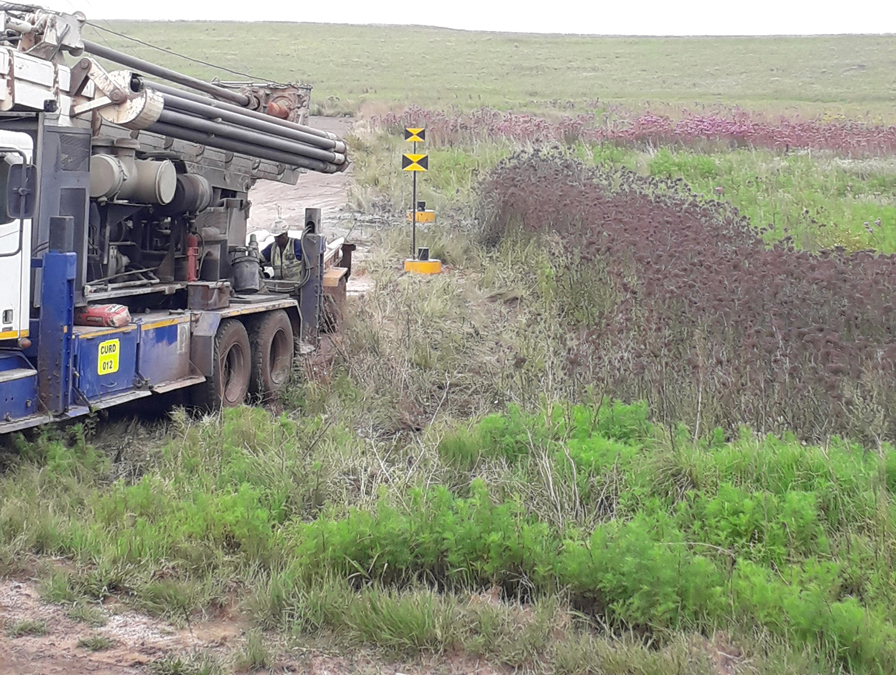
- Borehole siting, drilling supervision, and aquifer testing
- Packer testing and hydraulic characterisation
- Baseline groundwater investigations and greenfield assessments
- Groundwater impact and risk assessments
- Mine dewatering and water management assessments
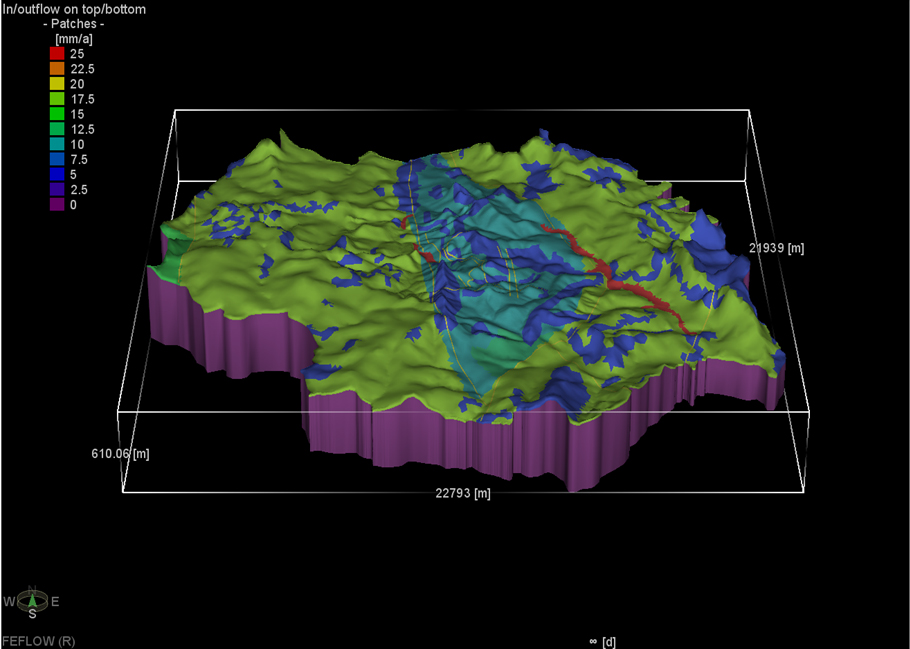
- Numerical groundwater flow and contaminant transport modelling
- Groundwater remediation and mitigation support
- Hydrochemical and geochemical investigations
- Hydropedological investigations and soil-water interaction assessments
- Groundwater monitoring programme design and interpretation
- GIS-based hydrogeological mapping and spatial analysis
- Water and salt balance assessments
- ESG and sustainability-driven groundwater risk evaluations
LWRC focuses on delivering technically robust, practical, and programme-aligned hydrogeological support tailored to the operational, environmental, regulatory, and sustainability requirements of each project. LWRC’s hydrogeological assessments and specialist reports are compiled in accordance with applicable National Water Act (NWA) and Environmental Impact Assessment (EIA) regulatory requirements, including relevant GNR and specialist reporting guidelines.
Early Groundwater Screening for EIA & WUL Programmes
LWRC provides early-stage groundwater screening reports shortly after appointment to help EAPs, engineers, and project teams identify groundwater-related risks before applications are locked into programme.
This upfront input is particularly valuable because EIA and WUL processes are time-sensitive, with prescribed public participation periods, specialist study requirements, authority review periods, and potential requests for additional information. Early groundwater screening helps avoid late-stage technical surprises that can delay submissions or weaken application quality.
Our early screening reports assist with:
- Identifying groundwater sensitivities, receptors, and potential impact pathways
- Confirming likely Section 21 water-use triggers and specialist study requirements
- Defining whether fieldwork, drilling, pump testing, modelling, or monitoring is required
- Supporting realistic project timelines and scope planning
- Providing early input into EIA, WUL, IWWMP, and ESG-related project planning
- Reducing approval risk through proactive, technically defensible groundwater input
LWRC’s approach allows groundwater issues to be identified early, scoped correctly, and integrated into the broader environmental application process — helping clients maintain programme-aligned submissions and avoid unnecessary delays.
In summary, our hydrogeological assessments may include:
- Hydrocensus and borehole surveys
- Geophysical Surveys (electrical resistivity, EM, magnetic etc)
- Borehole drilling and supervision
- Aquifer testing including packer tests
- Baseline Investigations / Greenfields
- Groundwater Impact Assessments
- Mine dewatering
- Numerical Groundwater Flow and Transport Models

05
May 19Water Monitoring Services
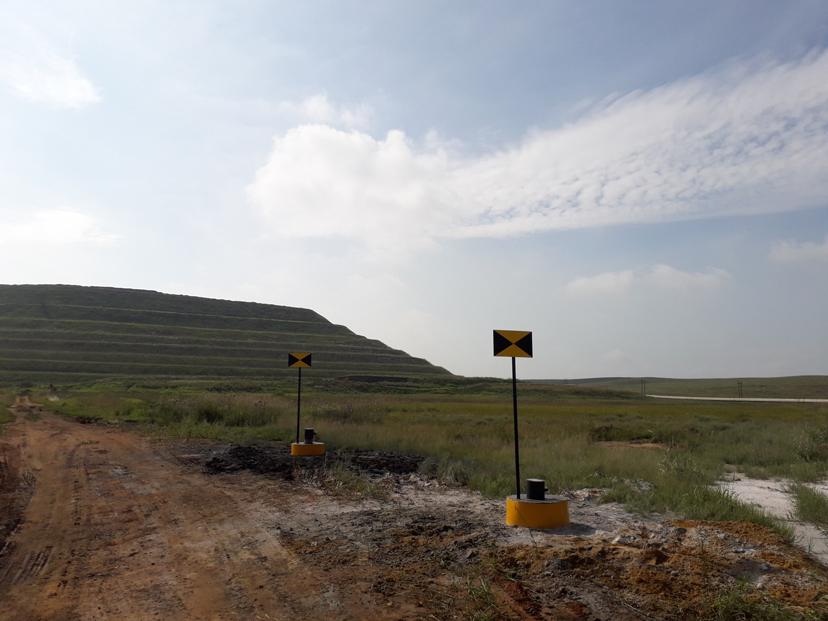
LWRC provides specialist groundwater and surface water monitoring services to support mining, industrial, infrastructure, environmental compliance, and ESG-related projects across Africa.
We develop site-specific monitoring programmes tailored to regulatory requirements, operational risks, environmental sensitivities, and client-specific objectives. Our monitoring approaches are designed to support proactive water management, compliance reporting, impact assessment, and long-term environmental performance monitoring.
LWRC utilises calibrated field instrumentation, standardised sampling protocols, and recognised industry guidelines to ensure the collection of reliable and defensible monitoring data. Sampling and monitoring activities are undertaken in accordance with applicable Department of Water and Sanitation (DWS), SANS, ISO, and recognised international best-practice groundwater and surface water monitoring guidelines. All samples are handled and transported in accordance with applicable quality assurance and quality control (QA/QC) procedures for analysis by accredited laboratories.
Our water monitoring services may include:
- Groundwater monitoring programme design and implementation
- Surface water monitoring and flow assessments
- Borehole and piezometer monitoring
- EC profiling and stratification assessments
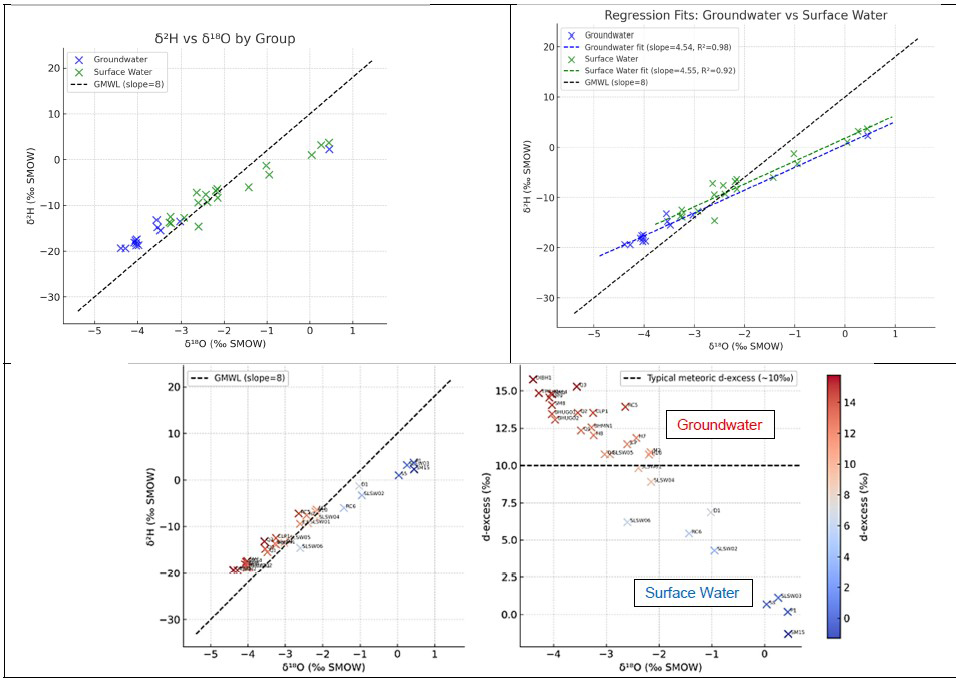
- Environmental stable isotope assessments
- Groundwater level and abstraction monitoring
- Seepage and contaminant migration monitoring
- Water quality assessments, including inorganic, organic, trace element, radiological, stable isotope, biological, and toxicity analyses
- Hydrochemical and geochemical trend analysis
- Compliance monitoring and reporting
- Monitoring data interpretation and risk-based assessment support
LWRC focuses on providing reliable, programme-aligned monitoring support that assists clients in maintaining regulatory compliance, managing environmental risk, and supporting informed operational and ESG-related decision-making.
05
May 19Contaminated Land Assessment
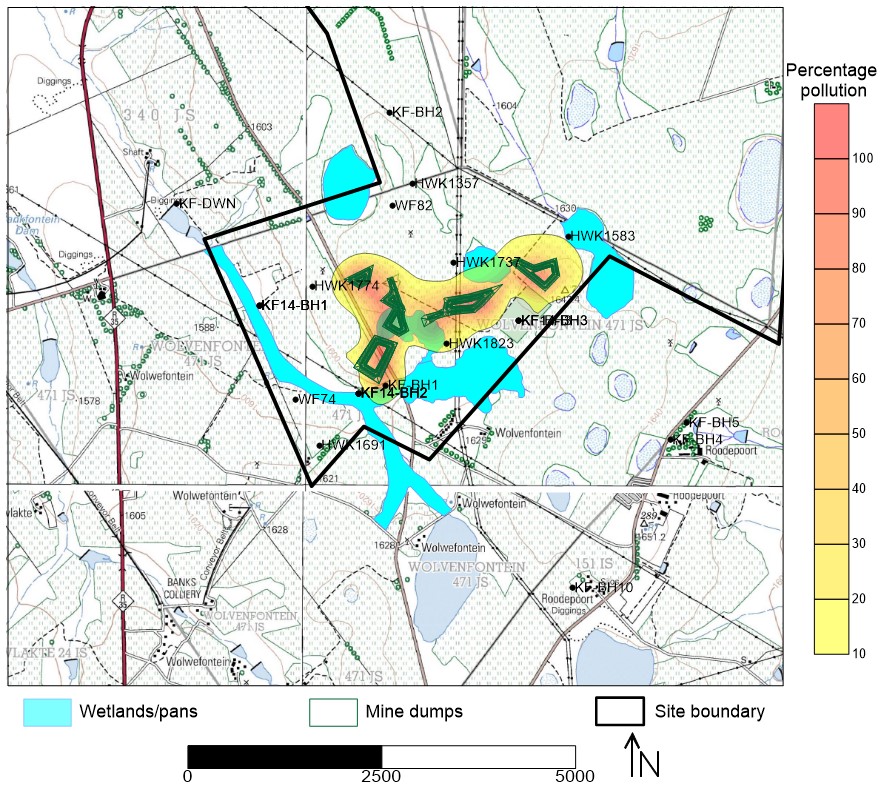
- LWRC provides specialist contaminated land and groundwater investigation services to support environmental compliance, risk assessment, and remediation planning within the mining, industrial, waste, and infrastructure sectors. LWRC adopts a practical, science-based approach to contaminated land management, integrating hydrogeological understanding with regulatory and operational requirements to support defensible environmental decision-making.
LWRC is also a proud member of National Institute for Contaminated Land and Remediation (NICOLA), aligning with the organisation’s mission to promote responsible contaminated land management, technical excellence, knowledge sharing, and sustainable remediation practices within Southern Africa.
Our contaminated land services includes:
- Contaminated land investigations and risk assessments
- DNAPL, LNAPL, and hydrocarbon contamination assessments
- Cemetery and sensitive land-use groundwater investigations
- Site remediation support and remediation monitoring
- Groundwater monitoring programme design and interpretation
- Hydrogeological conceptualisation and contaminant transport assessments


05
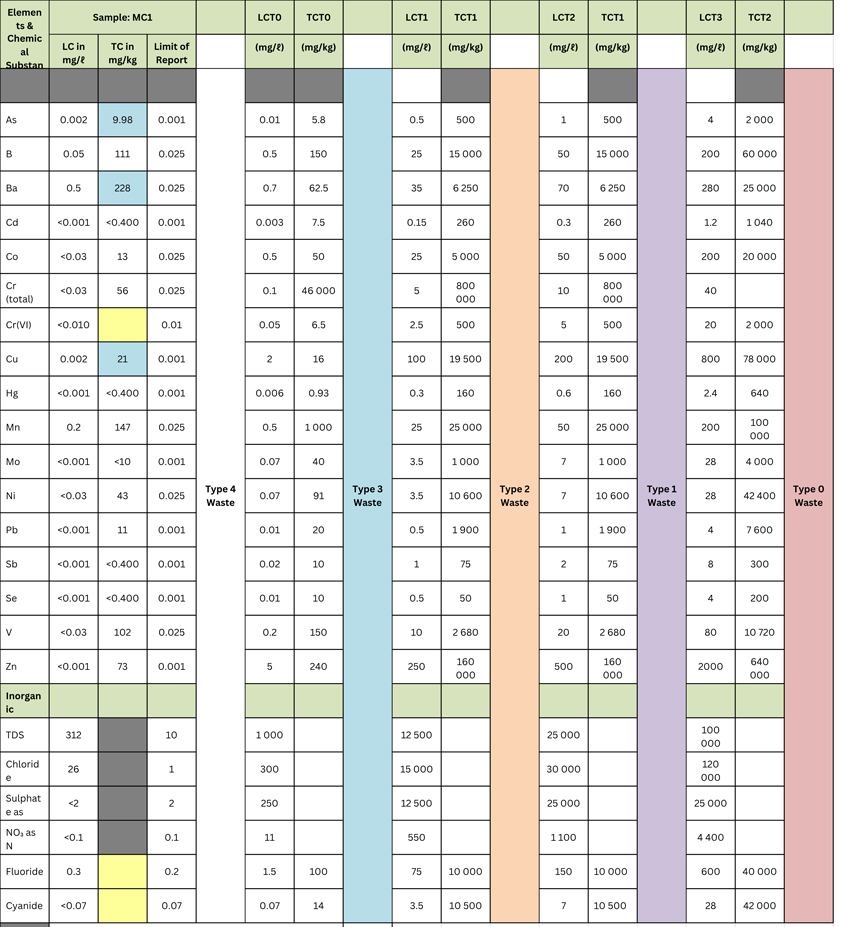
May 19Geochemical Assessments and Waste Classification
WRC provides specialist geochemical assessment and waste classification services to support mining, industrial, waste management, and environmental compliance projects across Africa.
Our investigations are undertaken to evaluate geological and waste materials (including overburden, discard, tailings, ore, and process residues) for disposal, storage, environmental risk, and long-term management purposes in accordance with applicable waste classification and landfill disposal regulations, including GN R. 634/635 and SANS 10234 requirements.
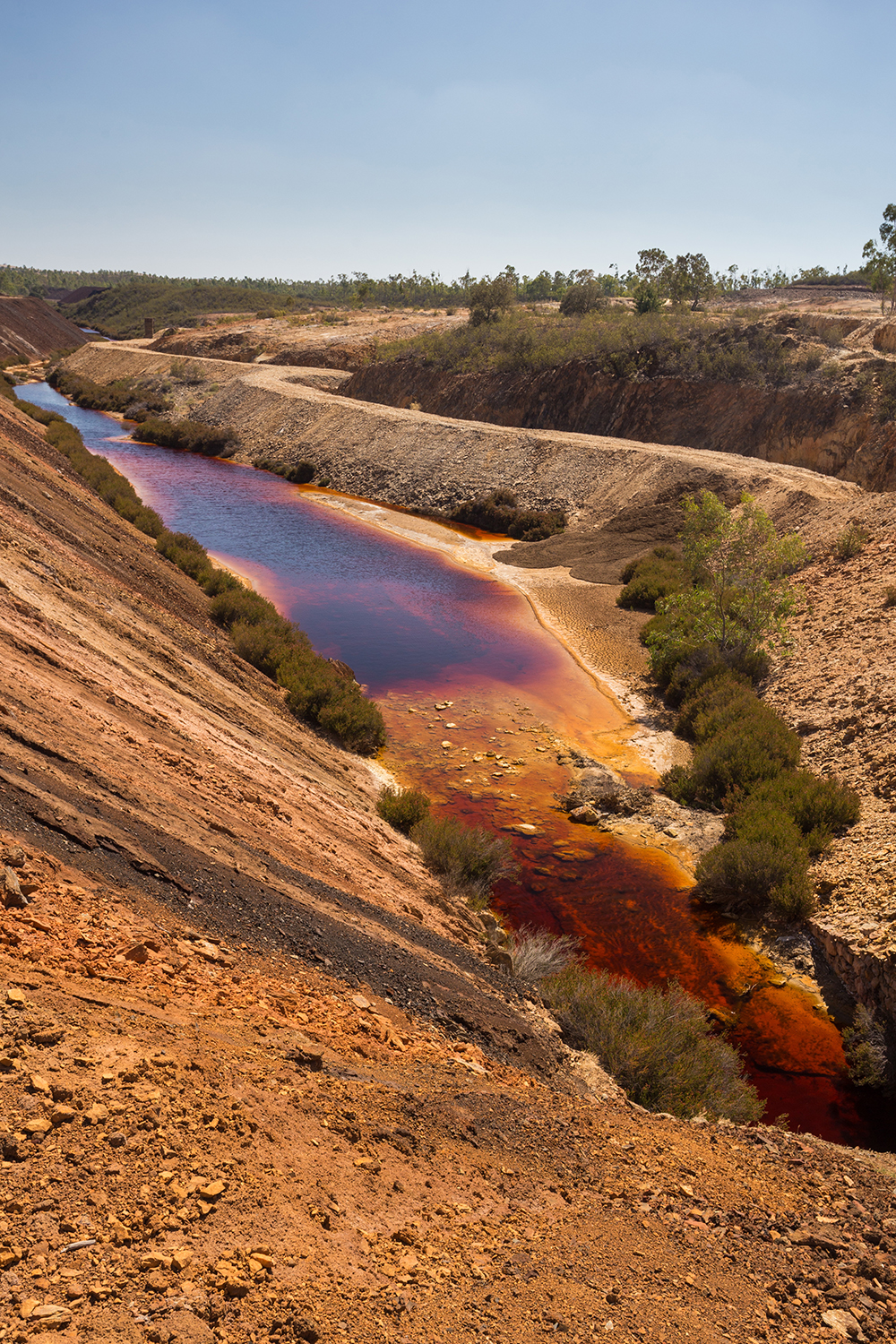
LWRC combines hydrogeological and geochemical expertise to assess the potential for contaminant generation, acid mine drainage (AMD), leachability, and long-term groundwater impact associated with mining and industrial activities. Our associate team includes PhD-level geochemical specialists with experience in advanced geochemical and contaminant fate modelling to support technically robust environmental risk assessments and mitigation planning.
Geochemical assessment and waste classification services may include:
- Waste characterisation and classification assessments in accordance with GN R. 634/635 and SANS 10234 requirements
- Soil, rock, tailings, and waste sampling programmes
- Static and kinetic leach testing
- Acid-base accounting (ABA) assessments
- Acid mine drainage (AMD) risk evaluations
- Geochemical and hydrochemical investigations
- Geochemical fate and contaminant transport modelling
- Contaminant source identification and risk screening
- Seepage and contaminant migration assessments
- Waste facility and material management support
LWRC integrates geochemical understanding with hydrogeological assessment principles to support technically defensible environmental management, ESG-aligned project planning, groundwater protection, and regulatory compliance.





Recent Comments